

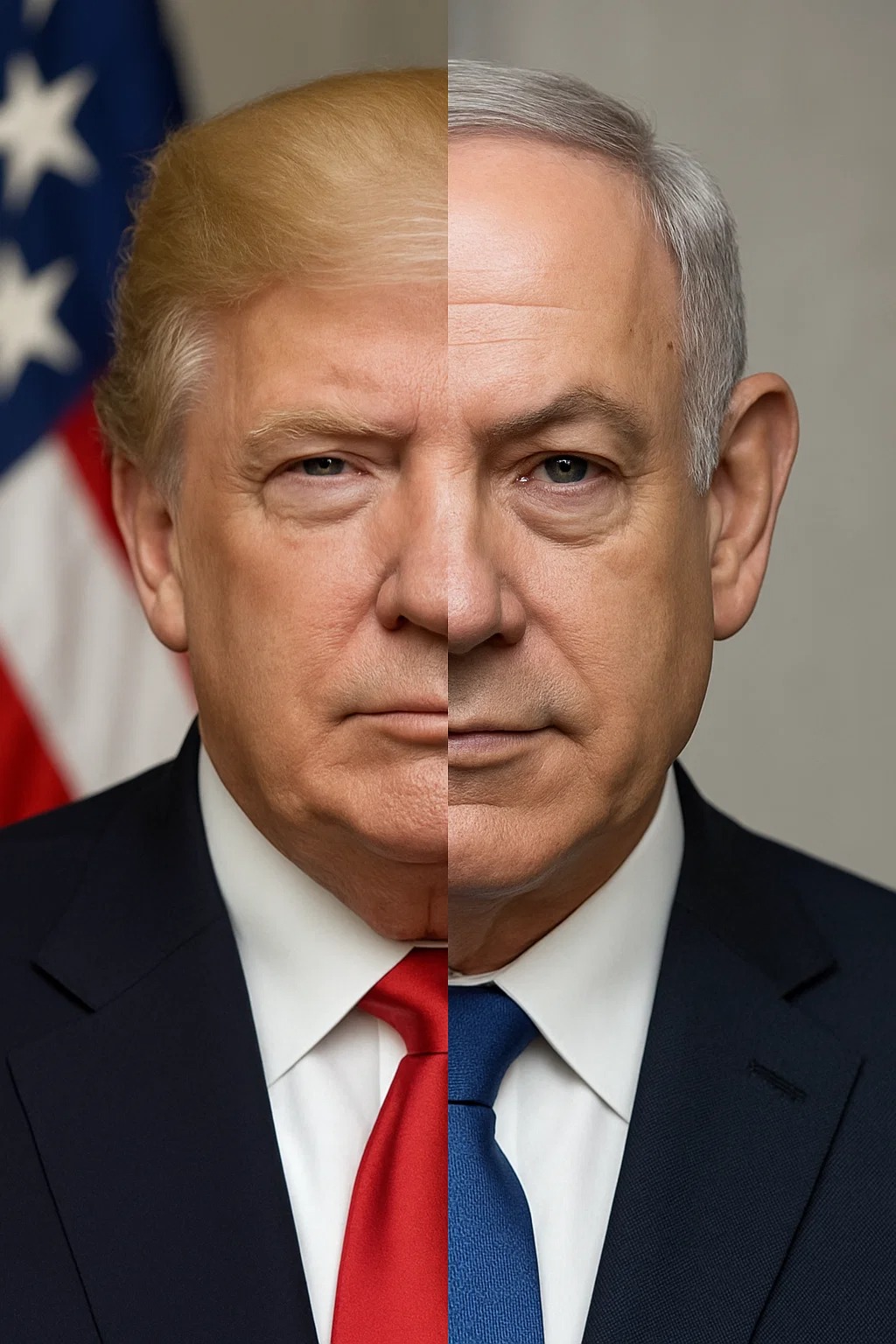
On the third day of Israel’s offensive into Gaza City, the truth is already plain: this isn’t an invasion, it’s a demolition.
Invasions, at least in the traditional sense, are about taking ground, defeating armies, and establishing control. They end with a flag raised, a government toppled, a territory absorbed. What’s happening in Gaza looks nothing like that. This is the systematic tearing down of homes, hospitals, schools, water lines, and power grids — the deliberate unmaking of a city.
Demolition is the right word because it captures what invasion conceals. An invasion assumes the people matter, that they are the object of control. Demolition assumes the opposite: that the people are an obstacle, and the land is the prize.
And it’s not happening in a vacuum. We’ve heard the rhetoric. Donald Trump openly spoke of turning Gaza into “the Riviera of the Middle East.” That fantasy only works if Gaza is first reduced to rubble and its people pushed elsewhere. When you look at the scale of destruction, you can’t help but feel that fantasy is being made concrete, one collapsed apartment block at a time.
Language matters here. Calling this an “invasion” frames it as conventional war — bloody, tragic, but recognisable. Calling it a “demolition” exposes its deeper logic: the erasure of a people’s ability to live on their own land.
And that should set off alarm bells everywhere. Because if demolition is the strategy, then the endgame isn’t victory in war — it’s permanent displacement, redevelopment without Palestinians, and the transformation of Gaza into something unrecognisable.
This isn’t just a battle. It’s a blueprint.
Sources & Further Reading
- Gazans reject Trump’s displacement plan despite death and destruction — Reuters
- Human Rights Watch: Gaza displacement and destruction — HRW
- UN warns of catastrophic humanitarian collapse in Gaza — United Nations News
- ‘Waterfront property’: what are Trump’s real estate interests in Palestine? — The Guardian
- Israeli minister touts Gaza ‘real estate bonanza’, defying international backlash — BBC News

Leave a Reply