

Latest Posts
-
The poem explores the struggle of finding hope in a bleak world, where well-meaning reassurances feel insubstantial. It highlights the difficulty of facing one’s emotions and the nuanced experience of being neither fully healed nor lost, but instead existing in the moment, still intact and engaged with life.

-
We’re taught that family relationships are sacred, that blood outranks behaviour, and that walking away is a moral failure. I don’t believe that anymore. Estrangement wasn’t my first choice; it was my last. It came after forgiveness, restraint, and repeated patterns that made denial impossible. I didn’t leave in anger or spite. I left because clarity finally outweighed obligation. This isn’t about hatred or revenge. It’s about recognising when a relationship is sustained by expectation rather than respect, and choosing to stop ignoring your own experience.

-
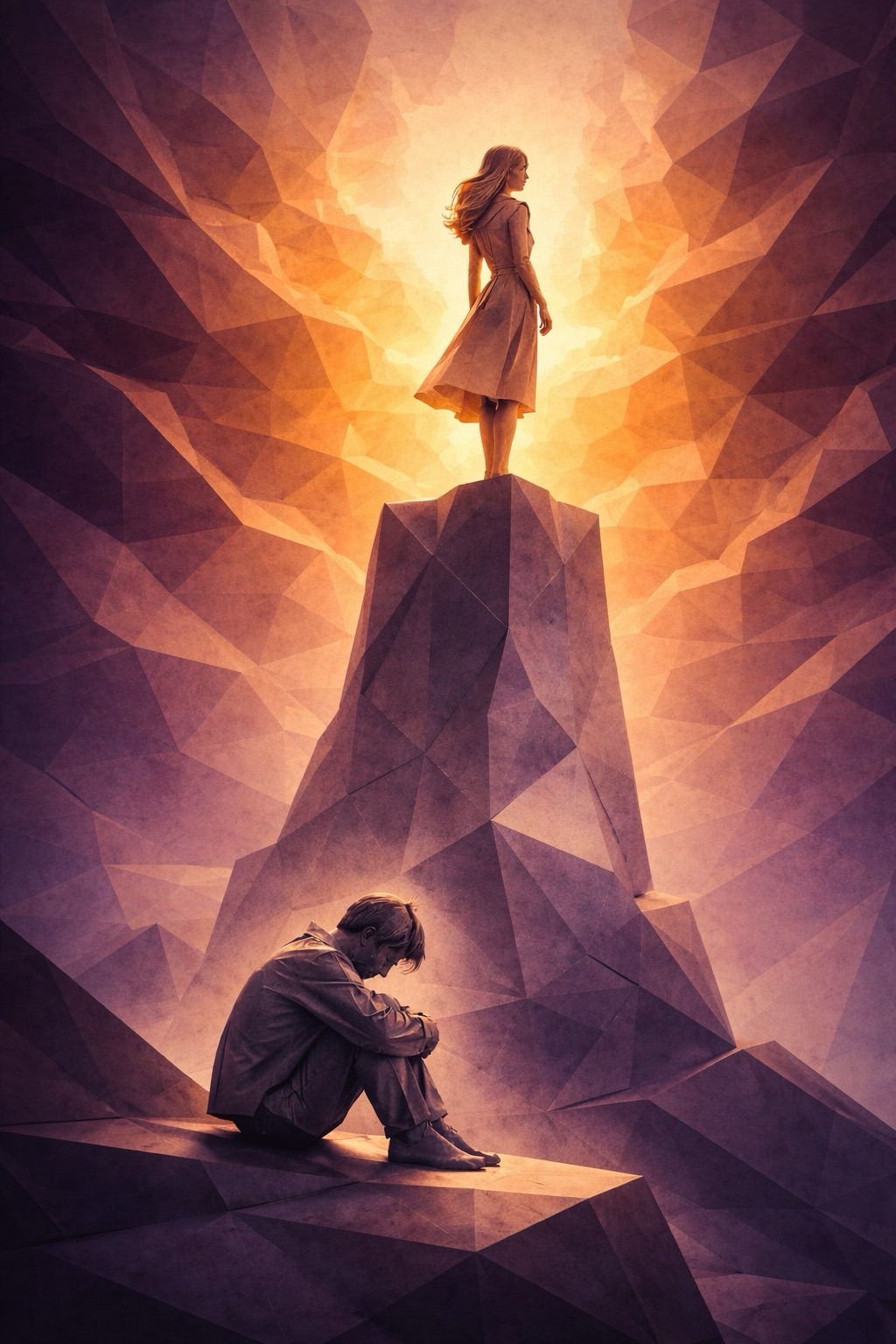
Breakups, especially involving infidelity, can create barriers to new relationships, leading to feelings of inadequacy and distrust. When a partner attempts to redefine your past, it exposes their flaws rather than diminishing your worth. True healing requires recognizing your value independently of others’ treatment and overcoming the desire to put them on pedestals.
-
A PS5 hacking leak is making headlines, but the real cost isn’t just bricked consoles. Long‑term accounts, online play, and digital game libraries are all at risk. Here’s why I’m keeping my PS5 safe and what that means for gamers.

-
I’ve found it important to keep my eyes on the future, while still giving the past the space it deserves. I try to learn from my mistakes without getting stuck in them, because that’s where the real growth happens. Every experience teaches me something, sharpens my intuition, and helps me avoid stumbling over the same things twice. Bit by bit, it gives me a clearer sense of where I’m heading next.

-
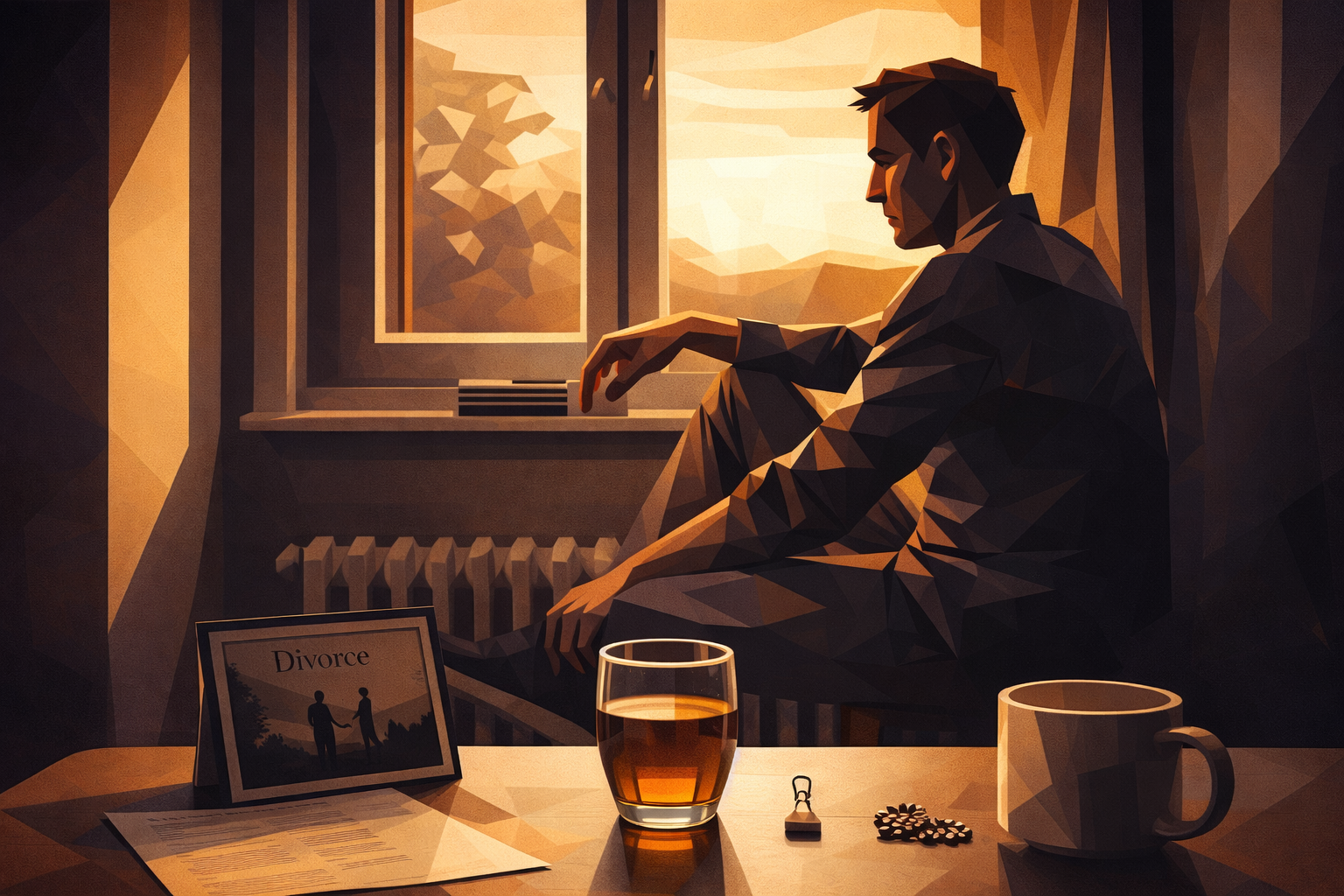
The grief changed long before I noticed it. It stopped dragging me backwards and instead became something I could simply acknowledge — a quiet sadness for what was once real, without any desire to return to it. This was the point where I wasn’t mourning a person anymore. I was mourning a chapter.
-
Healing after an abusive relationship isn’t about acceptance or insight. It’s about remembering who you were before, reclaiming the parts of yourself they tried to erase, and living outward again—not for them, not to spite them, but in spite of them. The red flags were there all along. I just chose not to act on them.

-
Healing didn’t arrive with a breakthrough — it appeared in small, ordinary moments. A clearer mind. A lighter day. A laugh that didn’t feel forced. I wasn’t becoming a new person; I was rediscovering the one I’d lost along the way. Rebuilding myself meant stepping back into my own life with honesty, confidence, and a sense of independence I hadn’t felt in years.

-
I stopped responding, not out of anger, but out of understanding. Every interaction pulled me back into the same confusion, the same pain, the same version of myself I no longer recognised. Setting boundaries wasn’t about shutting her out — it was about letting myself breathe again. Silence wasn’t weakness. It was clarity.

-
As the panic faded, clarity took its place. Little by little, the things I’d excused or ignored revealed themselves as patterns, not one-offs. It wasn’t about blaming her or absolving myself — it was about finally seeing the relationship as it really was. Honest language doesn’t erase the pain, but it does anchor you in a reality that’s no longer twisting underneath your feet.

You must be logged in to post a comment.